

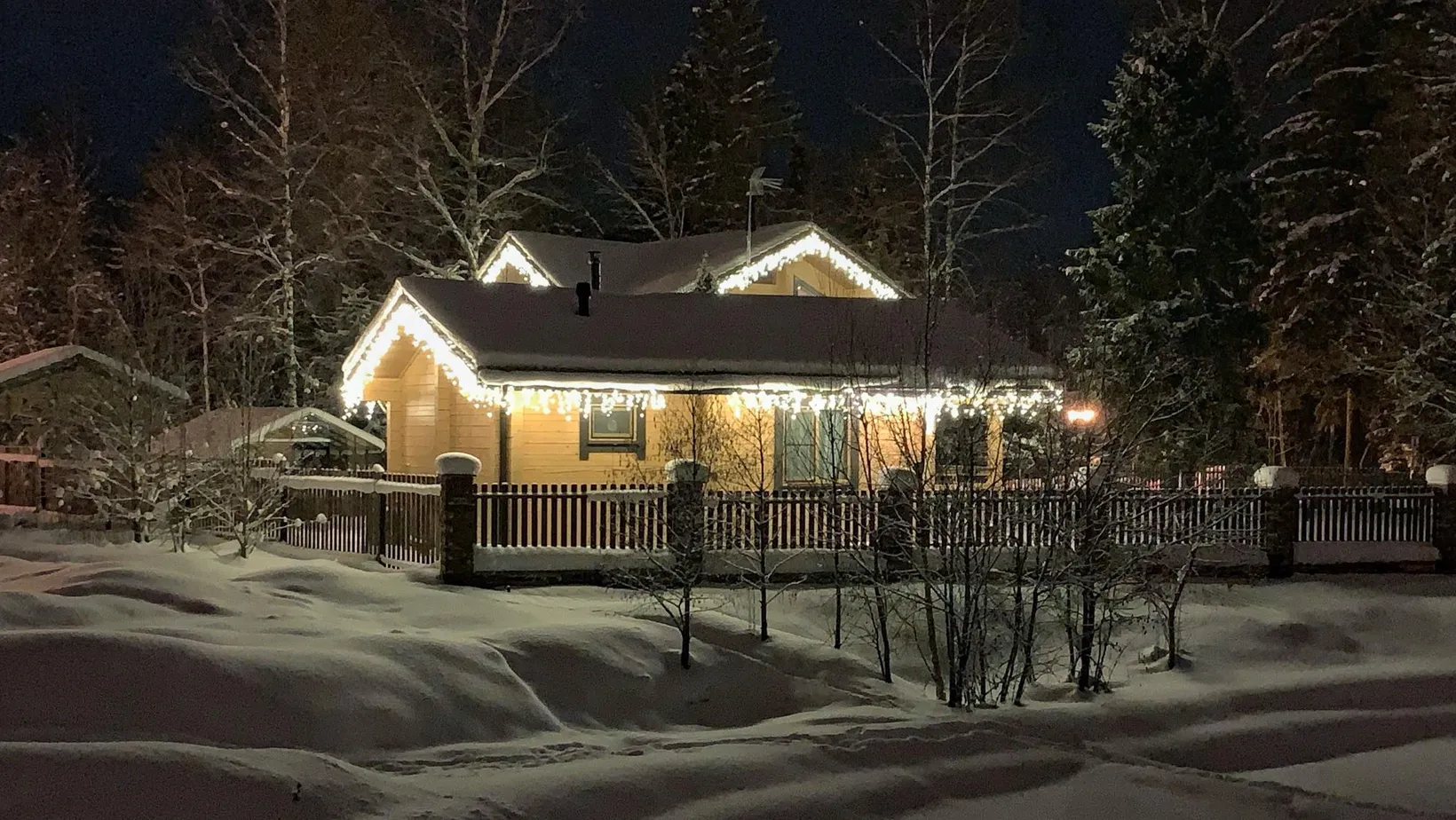
With Thanksgiving around the corner and colder weather settling in Denver, your home is likely getting a little busier. Maybe you’re pulling out the space heater for a chilly room or figuring out how to keep the turkey, side dishes, and everything else cooking at once.
It’s easy to overlook how much electricity these everyday activities use, especially when several appliances run at once. But as demand on your home’s electrical system increases, you may notice warning signs like frequently tripped breakers or unusually warm outlets.
Here’s a closer look at five common seasonal activities that can put extra demands on your home’s electrical system.
5 Ways Colder Weather Can Increase Your Home’s Electrical Demands
Not all electrical needs affect your home in the same way. Some appliances draw significant power at once, while others increase electricity usage over time. Here are five common seasonal activities that can put extra demands on your home’s electrical system.
1. Preparing Holiday Meals With Multiple Kitchen Appliances
Thanksgiving and other holiday gatherings often mean a crowded kitchen, with the oven running and extra appliances plugged in wherever there’s room.
Air fryers, slow cookers, and electric roasters make big meals easier, but running several at once can strain your kitchen circuits.
Each circuit can only handle so much electricity. When multiple high-wattage appliances draw power from the same circuit, the combined load can exceed its capacity and trip the kitchen breaker. Even plugging appliances into outlets on opposite sides of the kitchen doesn’t necessarily solve the problem, since those outlets may share the same circuit.
To help prevent electrical overloads during holiday cooking:
- Spread out appliance usage. Avoid running several high-wattage appliances on the same circuit at the same time.
- Skip power strips and multi-outlet adapters. Plug high-wattage cooking appliances directly into appropriate wall outlets.
- Practice kitchen electrical safety. Use GFCI-protected outlets where required and keep electrical cords away from water and hot surfaces.
If your kitchen breakers trip regularly, even during everyday cooking, it may be time to have a Denver electrician inspect your circuits. Depending on your home’s wiring and electrical capacity, installing a dedicated appliance circuit may help accommodate your kitchen’s electrical needs.
2. Using Portable Space Heaters to Stay Warm
When temperatures drop, a portable space heater can conveniently warm a chilly bedroom, home office, or other area of the house. However, these small appliances use more electricity than many homeowners realize.
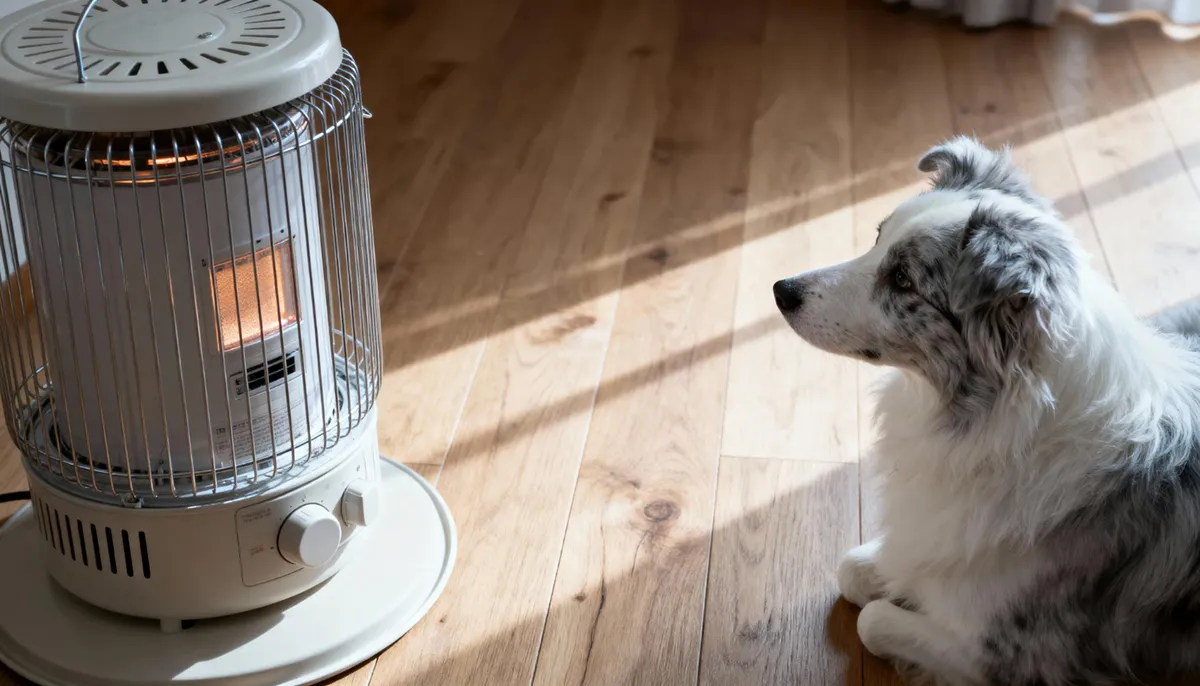
A typical 1,500-watt space heater draws about 12.5 amps on a standard 120-volt circuit, leaving little room for other devices on the same circuit.
Beyond the electrical demand, space heaters also require extra attention to prevent overheating and fire hazards. A few simple precautions can help you use them safely:
- Plug directly into a wall outlet. Never use extension cords or power strips, which can overheat when powering a space heater. Follow these space heater safety recommendations for additional precautions.
- Keep a safe distance. Place heaters at least three feet away from curtains, bedding, furniture, and other flammable materials.
- Never leave heaters unattended. Turn them off before you leave the room or go to sleep.
- Check for signs of damage. Avoid using heaters with frayed cords, damaged plugs, or other visible wear.
Watch for warning signs while using a space heater, including unusually warm outlets, burning smells, or repeatedly tripped breakers. If you notice any of these issues, stop using the heater immediately.
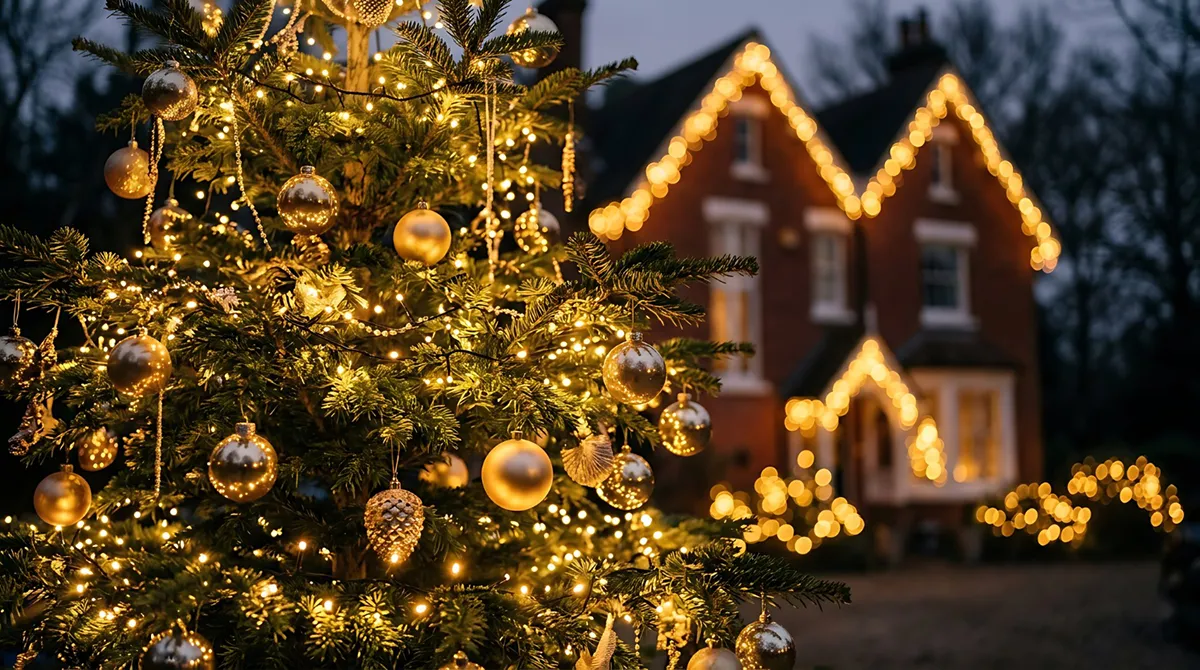
3. Powering Indoor and Outdoor Holiday Decorations
Holiday string lights, outdoor inflatables, and animated displays can make your home feel festive. But powering several decorations at once, especially alongside other appliances, can increase the load on your household circuits.
Fortunately, a few simple choices can help reduce electricity usage and keep your holiday display safe:
- Choose energy-efficient lighting. LED holiday lights use significantly less electricity than traditional incandescent strands.
- Inspect decorations before use. A key outdoor lighting safety tip is to check light strands, plugs, and cords for frayed wires, cracked sockets, loose connections, or other visible damage.
- Use the right equipment outdoors. Choose outdoor-rated lights and extension cords, and connect exterior decorations to GFCI-protected outlets.
- Avoid overloading connections. Follow manufacturer guidelines when connecting multiple light strands, and consider the electrical demands of larger decorations.
4. Running Electric Heating Systems More Frequently
During Denver’s colder months, electric heating systems may run longer to keep your home comfortable. How much electricity they use depends on the system type and how often it runs.
- Electric baseboard heaters. These systems generate heat using electricity and may run longer as temperatures drop, increasing energy consumption.
- Heat pumps. Rather than generating heat directly, heat pumps use electricity to transfer heat, making them generally more efficient than electric baseboard heating.
- Supplemental heating. Some heat pumps use additional electric heating during particularly cold weather, which can increase electricity usage and place additional demand on the home’s electrical system.
Modern cold-climate heat pumps can also operate efficiently at lower temperatures, reducing the need for supplemental heating.
5. Charging Electric Vehicles During Colder Weather
If you drive an electric vehicle (EV), you may notice that a full charge doesn’t take you quite as far during Denver’s colder months. Cold weather can reduce EV driving range because your vehicle uses additional energy to heat the cabin and manage battery temperatures. That may mean charging more often or for longer periods.
Your charger’s power draw may stay the same, but winter driving can increase your charging electricity use. Here’s what to consider:
- Battery preconditioning. Some EVs warm their batteries or cabins before departure, drawing electricity from your home when plugged in.
- Level 2 charging. Level 2 home chargers typically operate at 240 volts and can place a significant demand on your home’s electrical system.
- Other household demands. Charging your EV while electric heating systems and other high-wattage appliances are running can increase your home’s total electrical load.
Before installing a home charging station, determine whether your electrical system has enough capacity to support it. Depending on your existing panel and household electrical demands, you may need an electrical panel upgrade to accommodate the additional load.
Is Your Electrical System Prepared for the Extra Demand?
Your home’s electrical system should handle everyday activities without frequent breaker trips, flickering lights, or overheating outlets. If these problems become more noticeable during colder weather, they may point to an underlying electrical issue.
From troubleshooting and dedicated circuits to electrical panel upgrades, CT Electrical Services helps Denver homeowners keep their electrical systems safe and reliable.
Contact CT Electrical Services today to discuss your electrical needs and schedule service.
