

The house hasn’t changed much on the outside, but life inside it has. A spare bedroom slowly turned into a home office. Storage space became a workshop. What used to be a quiet corner of the building now runs equipment, monitors, chargers, and tools around the clock.
Nothing feels broken. Power is still there when you need it. But the system behind the walls is shouldering more responsibility than ever before.

This is how many electrical issues begin, not with a sudden failure, but with gradual pressure. A system designed for one era quietly tries to keep up with another.
Electrical systems are built with limits, even if those limits are not obvious day to day. When usage grows, layouts change, or new equipment is added, the strain first shows up in subtle ways. These early signals are easy to overlook because they do not interrupt everything at once.
Understanding when an electrical system is being asked to do more than it was built for helps property owners make proactive decisions. Recognizing the warning signs early makes it easier to plan upgrades that improve safety, reliability, and long-term use before problems force the issue.
How Your Electrical System Works
Every electrical system has one main job: safely deliver power where it is needed and shut things down when something is not right.
Electricity enters the property through the service line and passes through the meter, which tracks usage. From there, it flows into the main electrical panel. The panel acts as the control center, distributing power through individual circuits that supply outlets, lighting, and equipment throughout the building.
Each circuit is protected by a breaker. When too much electricity flows through a circuit, the breaker is designed to shut off power before wiring overheats or components are damaged. This built-in protection helps reduce the risk of fires, equipment damage, and other electrical hazards.
Homes and commercial buildings follow the same basic setup, though larger properties may have multiple panels, higher-capacity services, or specialized equipment. Regardless of size, the system is designed around expected electrical loads at the time it was installed.
When usage stays within those original limits, the system runs quietly in the background. But as power needs grow or spaces change, the electrical system can be pushed beyond its design limits.
This strain may not cause immediate failure, but it signals that an electrical system upgrade is needed to maintain safe, reliable power in line with current usage.
What Happens During an Electrical Upgrade
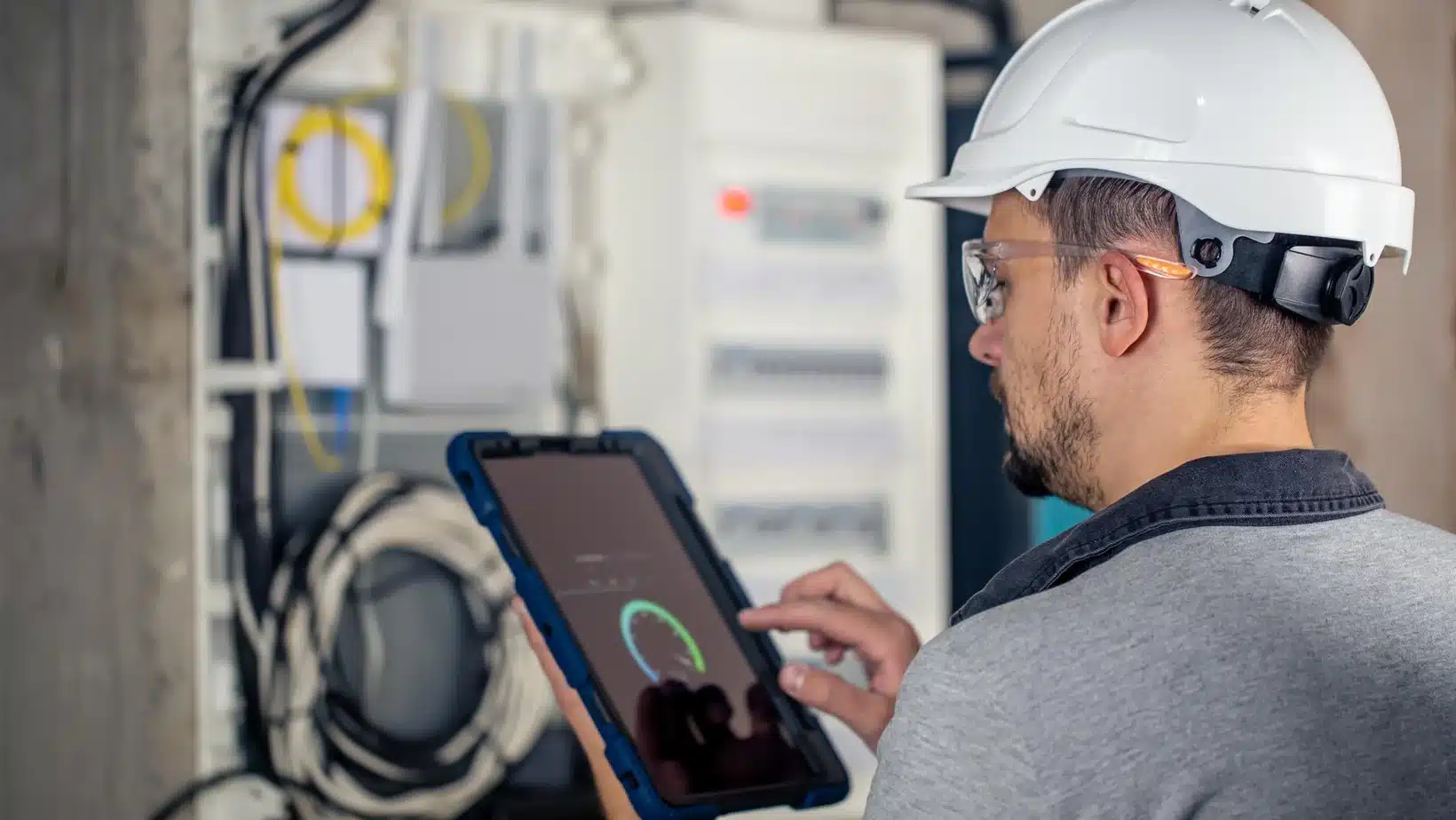
An electrical upgrade involves a licensed electrician evaluating your existing system, identifying capacity or safety limitations, and updating components such as the electrical panel, circuits, or wiring so the system can safely support current power demands.
After the initial review, the process becomes much more straightforward for the property owner. The electrician focuses on how your electrical system is being used today and whether it can safely support those needs.
This review typically includes:
- How you use power day to day
- Any recent changes to the space or electrical demands
- Planned additions or upgrades that may affect capacity
If the system is no longer keeping up, the electrician explains what needs to be updated and why. Depending on the situation, that may involve:
- Replacing or upgrading the electrical panel
- Adding dedicated circuits for specific equipment
- Improving wiring to support safer, more reliable operation
When work begins, most electrical upgrades involve a short, planned power shutoff while old components are removed and new ones are installed. Once the upgrade is complete, the system is tested, circuits are clearly labeled, and everything is checked to confirm proper operation.
6 Signs Your Electrical System May Need an Upgrade
Electrical systems often show signs of strain before serious problems appear. These changes usually develop over time as a property’s electrical demands increase.
Recognizing these warning signals early can make it easier to plan an electrical system upgrade before bigger issues arise.
1. You Have An Older or Outdated Electrical Panel
Many homes and commercial buildings are still operating with their original electrical panels. While these panels may continue to function, they were often designed for much lower electrical demands than what is typical today.
When an electrical panel is outdated, it can restrict what the rest of the system can safely support.
Older panels may have limited capacity, fewer available breaker spaces, or components that no longer meet current safety and reliability standards.
In some cases, inspectors flag these panels during remodels, property sales, or insurance reviews, especially when upgrades or added equipment are involved.
2. Your Power Needs Have Quietly Grown
Electrical demand often grows without much notice. Over time, more devices, equipment, or technology are added to a space, even if no major renovation has taken place.
Homes may take on additional electronics, work-from-home setups, or convenience upgrades. Businesses may add computers, office equipment, or operational tools that were not part of the original layout. Each addition may seem minor on its own, but together they increase the overall load on the electrical system.
When power usage consistently approaches the system’s limits, it can place ongoing strain on circuits and components. This is a common reason property owners begin considering an electrical system upgrade, even when everything still appears to be working on the surface.
3. Your Layout Has Changed, But Your Circuits Haven’t
As homes and commercial properties evolve, rooms are often repurposed without updating the electrical systems behind the walls. A spare room becomes an office, storage areas turn into active workspaces, or a retail layout shifts to support new equipment or workflows.
When a space takes on a new function, the original circuits may no longer match how the area is being used. A single circuit that once handled light traffic may now support multiple devices or equipment for long periods throughout the day.
This mismatch between space use and electrical design can lead to ongoing strain, even if the system has not failed outright.
4. You’re Planning to Add High‑Demand Features
Certain additions place a significant load on an electrical system right from the start. Features like EV chargers, hot tubs, commercial kitchen equipment, or shop machinery often require dedicated circuits and sufficient panel capacity to operate safely.
Adding these upgrades without first reviewing the electrical system can lead to failed inspections, unsafe workarounds, or the need to redo recent installations. Planning ahead helps ensure the system is ready before new equipment is installed.
5. Overreliance on Extension Cords and Power Strips
When outlets are scarce or circuits are stretched, temporary solutions tend to become permanent. Power strips multiply, extension cords stay in place, and devices are daisy-chained just to keep things running.
This is common in home offices, workshops, and growing businesses where electrical needs have outpaced the original layout. While these solutions may seem harmless, they are often signs that the electrical system is not meeting day-to-day demands safely or efficiently.
When portable power solutions become commonplace, it often signifies the need for an electrical panel upgrade to provide proper outlets and dedicated circuits.
6. Inconsistent Power or Nuisance Outages
When power behaves unpredictably, it is often a sign that the electrical system is under strain. Certain areas of a home or building may lose power more often than others, equipment may reset unexpectedly, or breakers may trip even under modest use.
These interruptions are easy to dismiss when they resolve quickly, but over time, they can damage electronics, disrupt daily routines, or create downtime for businesses. Inconsistent power is rarely random. It usually reflects a system that is no longer well-matched to how electricity is distributed and used.
When these issues become recurring, an electrical system upgrade can help restore reliability and reduce ongoing disruptions by bringing the system back into balance.
How CT Electrical Supports Denver Homes and Businesses
An electrical system upgrade helps ensure your power setup can safely support how your home or building is used today.
CT Electrical Services provides licensed, insured electrical upgrades for residential and commercial properties across the Denver area. If you are seeing signs of strain or planning changes that may affect your electrical needs, a professional evaluation can help clarify next steps.
Contact us today to schedule an electrical system evaluation.
